
ช่วงเช้า
พิธีเปิดและปาฐกถาพิเศษ
คณะผู้บริหารระดับสูงจากไทยและจีนร่วมพิธีเปิดการประชุม รับฟังปาฐกถาพิเศษ 2 หัวข้อ พร้อมประกาศแนวทางการพัฒนาการศึกษาภาษาจีนนานาชาติในเอเชียใต้และเอเชียตะวันออกเฉียงใต้ ประจำปี 2569
ห้องประชุมหลัก โรงแรมคุ้มพญา
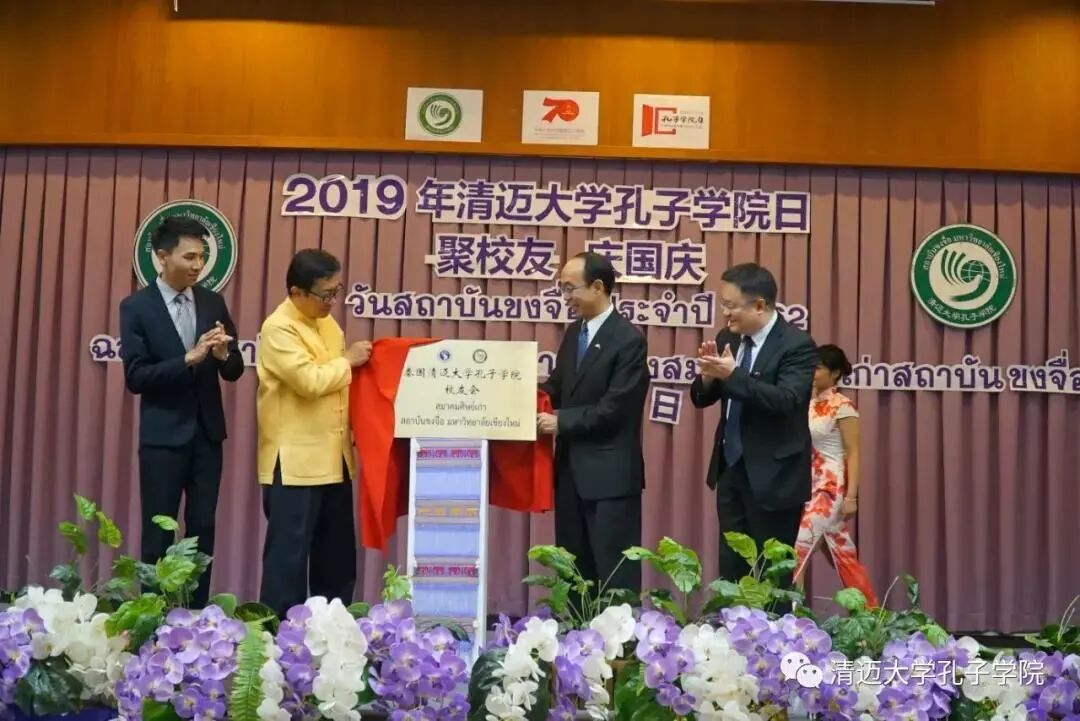
- 08.45ลงทะเบียน และรับชมวิดีทัศน์ครบรอบ 20 ปีของสถาบันขงจื่อ มช.
- 09.15กล่าวในพิธีเปิดคุณเพ็ญนภา กัญชนะ ผู้ตรวจราชการกระทรวงการอุดมศึกษา วิทยาศาสตร์ วิจัยและนวัตกรรม · Mr. Zhao Lingshan มูลนิธิการศึกษาภาษาจีนนานาชาติ · Mr. Yu Yunfeng CLEC · ผศ. ดร.ปิติพงษ์ ยอดมงคล รองอธิการบดีมหาวิทยาลัยเชียงใหม่ · Prof. Hu Jinming อธิการบดีมหาวิทยาลัยยูนนานนอร์มอล
- 09.45ปาฐกถาพิเศษ หัวข้อที่ 1 · “ภาษาจีนเป็นสะพานเชื่อมการศึกษาไทย-จีน แนวปฏิบัติและวิสัยทัศน์ทางการศึกษาไทย-จีน เพื่อสร้างประชาคมที่มีอนาคตร่วมกัน”Prof. Xu Lan ที่ปรึกษาด้านการศึกษาสถานเอกอัครราชทูตสาธารณรัฐประชาชนจีนประจำประเทศไทย
- 10.30พักรับประทานอาหารว่าง
- 10.45ปาฐกถาพิเศษ หัวข้อที่ 2 · “การพัฒนาของหลักสูตรภาษาจีนระดับอุดมศึกษาไทยตลอด 2 ทศวรรษ กับการสร้างบุคลากรระดับสูงด้านภาษาจีนในอนาคต”ศ. ดร.กนกพร นุ่มทอง คณะมนุษยศาสตร์ มหาวิทยาลัยเกษตรศาสตร์
- 11.30การประกาศ “แนวทางการพัฒนาการศึกษาภาษาจีนนานาชาติในเอเชียใต้และเอเชียตะวันออกเฉียงใต้ ประจำปี 2569”Ms. Lian Chen ผู้อำนวยการฝ่ายจีน สถาบันขงจื่อ มช. · อ่านแนวทางการพัฒนาฯ ↓
- 11.45พักรับประทานอาหารกลางวัน

可持续发展倡议
ประกาศในพิธีเปิด · 28 ตุลาคม 2569 เวลา 11.30 น.
แนวทางการพัฒนาการศึกษาภาษาจีนนานาชาติในเอเชียใต้และเอเชียตะวันออกเฉียงใต้ ประจำปี 2569
语言无界,教育有为;共赢共创,未来同行。
Language knows no borders; education empowers. Together we win, together we create, together we go forward.
Ms. Lian Chen ผู้อำนวยการฝ่ายจีน และ ผศ. ดร.ดนัยธัญ พงษ์พัชราธรเทพ ผู้อำนวยการฝ่ายไทย สถาบันขงจื่อ มช. · เอกสารภาษาจีนและภาษาอังกฤษ ยังไม่มีฉบับภาษาไทย
- I以共同发展提升中文教育新使命A New Mission for Chinese Language Education in Common Development
- II以“中文+产业”拓展人才培养新路径New Pathways for Talent Development through “Chinese + Industry”
- III以本土化夯实可持续发展新根基A New Foundation for Sustainability through Localization
- IV以AI赋能探索教育变革新方向A New Direction for Educational Transformation through AI
- V以标准互通增强中文教育新价值New Value through Standards Alignment and Mutual Recognition
2026年南亚与东南亚国际中文教育可持续发展倡议
南亚与东南亚中文教育同仁、各界合作伙伴及与会嘉宾:
值此清迈大学孔子学院成立20周年之际,我们相聚泰国清迈,立足南亚与东南亚,放眼世界与未来,共同发出本倡议。
当今世界百年变局加速演进,区域产业链深刻重塑,人工智能正在重新定义教育的形态与 边界。国际中文教育正面临需求持续升级、资源分布不均、师资本土化不足、标准转化滞后、数字鸿沟扩大等共同挑战。回应时代之问,中文教育必须超越语言本身,走向发展赋能、民生服务、文明互鉴与命运与共。
我们主张:以共建凝聚力量,以共享扩大成果,以共创开辟未来,推动国际中文教育从课堂走向产业、从语言走向能力、从项目走向生态,为南亚与东南亚产业发展、青年成长、人民福祉和人类命运共同体建设贡献教育的力量。
1、以共同发展提升中文教育新使命
坚持把国际中文教育置于区域发展和人类进步的宏观格局中谋划。中文教育不仅要服务语言 学习,更要服务互联互通、产业升级、青年就业和民生改善;不仅要促进语言相通,更要推动心灵 相通、发展相融、命运与共,使命向上,格局向宽,是中文教育在新时代行稳致远的根本方向
2、以“中文+产业”拓展人才培养新路径
面向南亚与东南亚产业转型和劳动力市场需求,深化“中文+职业”“中文+专业”“中文 + 就业”融合发展。聚焦新能源、跨境电商、智慧农业、医疗康养、现代服务、文旅创意、数字经济等重点领域,共建课程、共搭平台、共育人才,让中文学习切实转化为职业能力、创新能力与可持续发展机会。
3、以本土化夯实可持续发展新根基
本土教师、本土教材、本土课程、本土研究,是国际中文教育行稳致远的根本支撑。各方应 大力支持中文师范与国际中文教育专业建设,完善本土教师培养、培训、认证与职业发展机制,推动 本土语料、本土案例、本土文化融入课堂,构建扎根当地、服务当地、成就当地的中文教育生态。
4、以AI赋能探索教育变革新方向
主动拥抱人工智能时代,积极探索AI与国际中文教育深度融合的方向与路径。推动AI技术在 辅助教学、个性化学习、资源共享与质量评估等场景中的创新应用,提升教育质量与可及性。坚守技术向善、教师主导、数据安全、文化尊重的原则底线,让AI成为推动教育公平与可持续发展的积极 力量,而非加剧不平等的新鸿沟。
5、以标准互通增强中文教育新价值
以HSK 3.0等标准体系为基础,推动课程、教学、测评与应用场景全链条贯通,健全"以考 促教、以教促学、以学促用"的质量闭环机制。探索中文能力与职业能力、数字能力、跨文化能力 相衔接的多元评价体系,切实提升中文教育在升学、就业、产业合作与人才流动中的实际价值与社会认可。
结语
二十年,是清迈孔院的里程碑,更是新起点。
站在历史的节点,我们深知:语言是桥梁,教育是未来。让我们携手同行,共同推动国际中文教育走向更高质量、更深融合、更广共享、更可持续的新阶段,共同书写区域共赢发展、文明共生共荣、人类命运与共的崭新篇章。
语言无界,教育有为;共赢共创,未来同行。
本倡议由清迈大学孔子学院发起,联合南亚与东南亚各国孔子学院、教育机构、高校、企业及合作 伙伴共同倡议。(排名不分先后)
发布人 : 连 晨 中方院长
李雄英 泰方院长
2026 Initiative for Sustainable Development of International Chinese Language Education in South and Southeast Asia
Chinese Connects the World · AI Empowers the Future · Co-creating Regional Prosperity and Sustainable Development
Dear Colleagues in Chinese Language Education, Partners, and Distinguished Guests:
On the occasion of the 20th anniversary of the Confucius Institute at Chiang Mai University, we gather in Chiang Mai, Thailand — at the heart of South and Southeast Asia — to look toward the world and the future, and to jointly launch this initiative.
In a world marked by rapid changes unseen in a century, profound reshaping of regional industrial chains, and the transformative impact of artificial intelligence on education, international Chinese language education faces common challenges: growing demand, uneven distribution of resources, insufficient localization of teachers, inadequate adaptation of standards, and a widening digital divide. In response to the call of our time, Chinese language education must go beyond language itself and move toward development empowerment, public well-being, cross-cultural dialogue, and shared futures.
We advocate for building strength through collaboration, expanding achievements through sharing, and creating the future through joint efforts — guiding Chinese language education from the classroom to industry, from language to capability, and from project-based cooperation to ecosystem development. Together, we aim to contribute to industrial growth, youth development, public well-being, and the building of a shared future for humanity in South and Southeast Asia
I. A New Mission for Chinese Language Education in Common Development
Chinese language education must be situated within the broader vision of regional development and human progress. It should serve not only language learning but also connectivity, industrial upgrading, youth employment, and the improvement of people’s livelihoods. It should promote not only linguistic communication but also mutual understanding, shared development, and a common destiny. A higher mission and a broader vision are the fundamental direction for Chinese language education in the new era.
II. New Pathways for Talent Development through “Chinese + Industry”
In response to industrial transformation and labor market needs in South and Southeast Asia, we will deepen the integrated development of “Chinese + vocation,” “Chinese + profession,” and “Chinese + employment.” Focusing on key sectors such as new energy, cross-border e-commerce, smart agriculture, healthcare, modern services, cultural tourism and creativity, and the digital economy, we will jointly develop curricula, build training platforms, and cultivate talents — transforming Chinese learning into professional competence, innovation capacity, and development opportunities.
III. A New Foundation for Sustainability through Localization
Local teachers, local teaching materials, local curricula, and local research are the very foundation for the long-term success of international Chinese language education. We support the development of Chinese language teacher training and international Chinese language education programs, and call for stronger mechanisms in the cultivation, certification, and professional development of local teachers. Local language corpora,cases, and cultural content should be integrated into classrooms, fostering a Chinese language education ecosystem that is rooted in, serves, and empowers local communities
IV. A New Direction for Educational Transformation through AI
We will proactively embrace the era of artificial intelligence and actively explore pathways and directions for the deep integration of AI with international Chinese language education. Efforts will be made to advance the application of AI in instructional support, personalized learning, resource sharing, and quality assessment, with the aim of enhancing educational quality and accessibility. We commit to the principles of technology for good, teacher-led instruction, data security, and cultural respect — ensuring that AI serves as a positive force for educational equity and sustainable development, rather than becoming a new divide that deepens inequality.
V. New Value through Standards Alignment and Mutual Recognition
Building on the HSK 3.0 and other standard systems, we will align curricula, instruction, assessment, and application contexts, and improve the quality mechanism of “promoting teaching through testing, promoting learning through teaching, and promoting application through learning.” We will explore a multidimensional assessment system that integrates Chinese language proficiency with professional, digital, and cross-cultural competencies — enhancing the practical value of Chinese language education in academic advancement, employment, industrial cooperation, and talent mobility.
Conclusion
Twenty years marks a milestone for the Chiang Mai Confucius Institute — and a new beginning. Standing at this historic juncture, we know well: language is the bridge, and education is the future. Let us join hands to advance international Chinese language education toward a new stage of higher quality, deeper integration, broader sharing, and greater sustainability, and co-write a new chapter of win-win regional development, mutual flourishing of civilizations, and a shared future for humanity.
Language knows no borders; education empowers. Together we win, together we create, together we go forward.
This initiative is launched by the Confucius Institute at Chiang Mai University, in partnership with Confucius Institutes, educational institutions, universities, enterprises, and partners across South and Southeast Asia. (in no particular order)